When a student can't start: why FEDS built Fokus
Fokus is a free homework starter from FEDS. It breaks an assignment into small steps, one at a time, for students who freeze at big tasks.


The project was implemented in collaboration with FEDS, Universiti Sains Malaysia, Penang State Education Department and Code School Finland
The industrial and technological revolution has stressed the need for local resources for coding and STEM-related industries especially high-end skilled jobs such as data analytics, coding, software design, ai-development in software industries in Malaysia.
Malaysia needs Initiatives to stimulate and boost to solve the demand issues as well as the issue of poverty in Malaysia and inequality in education. This project is a stepping stone to address the issues in long run through the introduction of new pedagogical approach in order to get more youth interested software industry as an attractive career option. Through this, more talents are expected to be produced that will fill the gaps in the market, hence improving the socio-economic status of families and social upward mobility due to the high-income nature of software industry.
This project involves knowledge transfer from Finland which has shown credible results, especially in their education system.
Strategic Objectives of the program were:
Scope of the implementation project:
Project expected outcomes

Implementation
This pilot course was led by Mrs. Sirkku Tahvanainen, head trainer of Code School Finland.
The pilot course consisted of a 2-hour briefing session for the teachers before starting the course and 8 teaching sessions, 2-3 hours each. The teaching sessions were held twice a week, on Monday and Tuesday, allowing students to reflect on their learning between the sessions.
There were 32 participants; 16 students from SMK Abdullah Munshi and 16 students from SMK Datuk Haji Mohd Noor Ahmad. Also, 4 teachers have been appointed as Guru Bimbingan Bestari.
Project report
As one of the objectives was to introduced skills relevant to Industrial Revolution 4.0 and study how students adopt the Code School Finland Pedagogy with an emphasis on student-centred work and assessment, the conclusion is that i_t was perceived highly positively by students_.
Students showed great interest and commitment to the course which is reflected in their attitude towards coding. At the end of the course, 85% had a very positive attitude towards coding and 77% of the students had a positive attitude towards it.

A high level of motivation was also reflected in the results of the small coding quiz they took. Students did not know that their knowledge was about to be measured so they did not have a chance to practice for the quiz. Thus, the quiz reflects solely on their learning during Part 1. Their grade average was 4.06 / 7 points. This is an expected result for beginners after a short orientation.

The project part was conducted with success. All the teams were able to create programs for their clients and some of the teams even made advanced versions of the solutions to show off their skills. Especially in these teams, the peer learning was eminent. This was also reported during the final presentations when the students gave credit to the computer wizard in their teams thanking him/her for explaining the issues to others.
Our results highlight the importance of formative assessment as coding skills are taught alongside other transversal skills. Continuous feedback did not only promote students’ coding skills but created a collaborative environment for coding education. The teams did not only produce fully working computer programs but they also paid great attention to their company slogans, values, and appearances. Their final presentations showed commitment, enthusiasm, and dedication.
Students’ feedback
“I’ve learned new teamwork skills, how to divide the tasks for each other and how teamwork works out”
“Learning on how to communicate with each of my team members better, trying to get out of my comfort zone”
“Programming skills: refresh a bit how to receive input from user teamwork skills: discussing and knowing each other better”
“I’ve learned about how to handle the customer orders with my teammates” “We finally completed an advanced customer order”
Teachers’ view
A teacher’s role as a coach rather than as an expert was promoted in the online environment. The project teams quickly developed working routines and internal collaboration. They became self-directed, meaning that very little intervention was required by the teacher during the project phase.
Comments from observing teachers:
“It is a great introduction of new and complex skills with something simple, fun and interactive.”
said Puan Kathrine A/P Sawariapen, SMK Abdullah Munshi
“Gives a good opportunity to the students to develop their skills in programming” said Puan Nor Sazlina Ramli, SMK Abdullah Munshi
“Good about the online learning environment is that there are no barriers or limitations to students to do cooperative learning.__” said Tuan Mohamad Shuhaimi bin Shahminan, SMK Datuk Haji Mohd Noor Ahmad
Participating in this project allows teachers to develop professionally and learn how to teach 21st-century skills and programming. By submitting assignments and passing the course exam successfully teachers will receive a Code School Finland certified Digital Badge.
Conclusion
In conclusion, this project managed to achieve its main objective, especially for the students and teachers. The results show that the teaching materials and pedagogical approach worked well in an online environment. Collected feedback shows that the pedagogical approach was well received by the students. Analysis of the student’s project work showed that the students developed their computational thinking, practiced good programming habits, established fluent work routines, and pursued an entrepreneurial attitude.
Fokus is a free homework starter from FEDS. It breaks an assignment into small steps, one at a time, for students who freeze at big tasks.
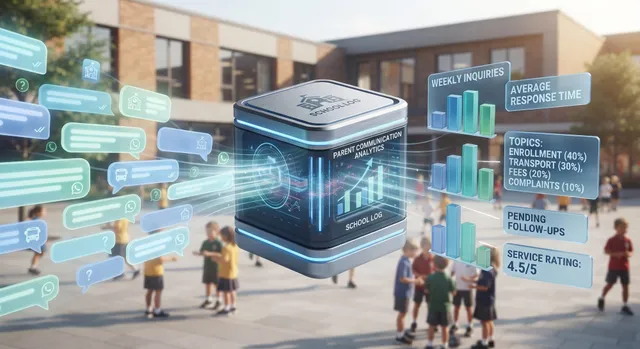
A service for Malaysian private schools that logs parent WhatsApp conversations to show recurring questions, reply times and missed follow-ups.
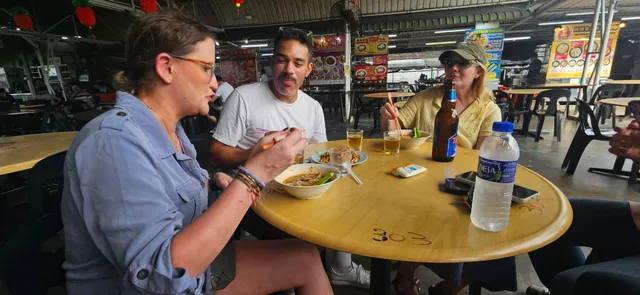
Penang's hawker culture as an experiential learning environment: migration, community and history told through food, in the spirit of Finnish education.